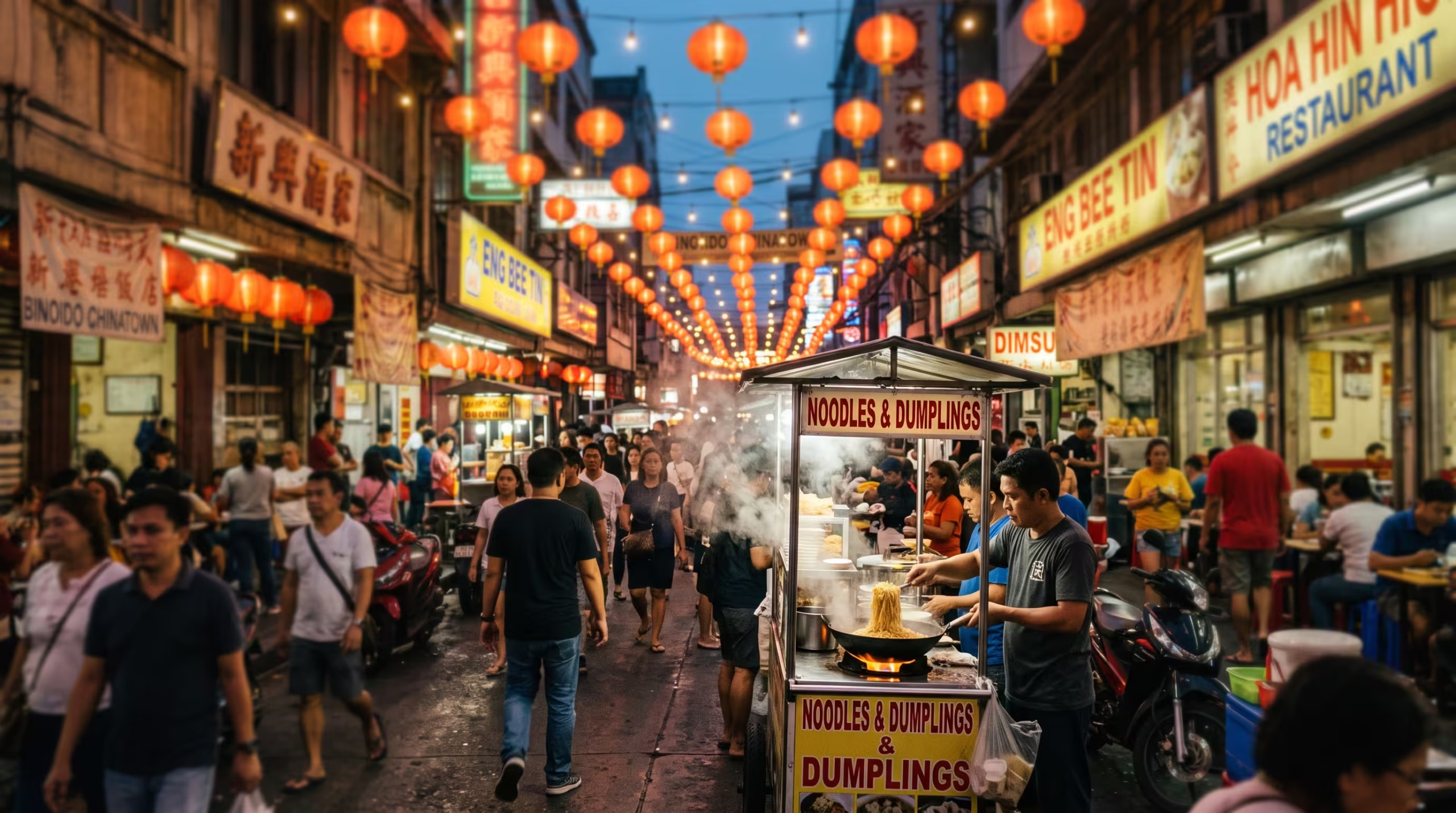
Paris just topped a global street food ranking — and it has nothing to do with Michelin stars. A study by Radical Storage, which analyzed 6,897 street food vendors across the 100 most-visited cities in the world, crowned Paris number one, with a density of 3.82 street food vendors per square kilometer. For a city whose food reputation is built on bistros, patisseries, and fine dining, that’s a genuinely unexpected headline.
This Paris street food guide covers what to actually eat on the street, where to find it, and exactly what getting around the city costs — using official 2026 transport fares, not estimates.
Planning Paris alongside other cities on your route? Use our free AI Trip Planner to build a day-by-day itinerary around your dates.
Paris Street Food to Try
| Dish | What it is |
|---|---|
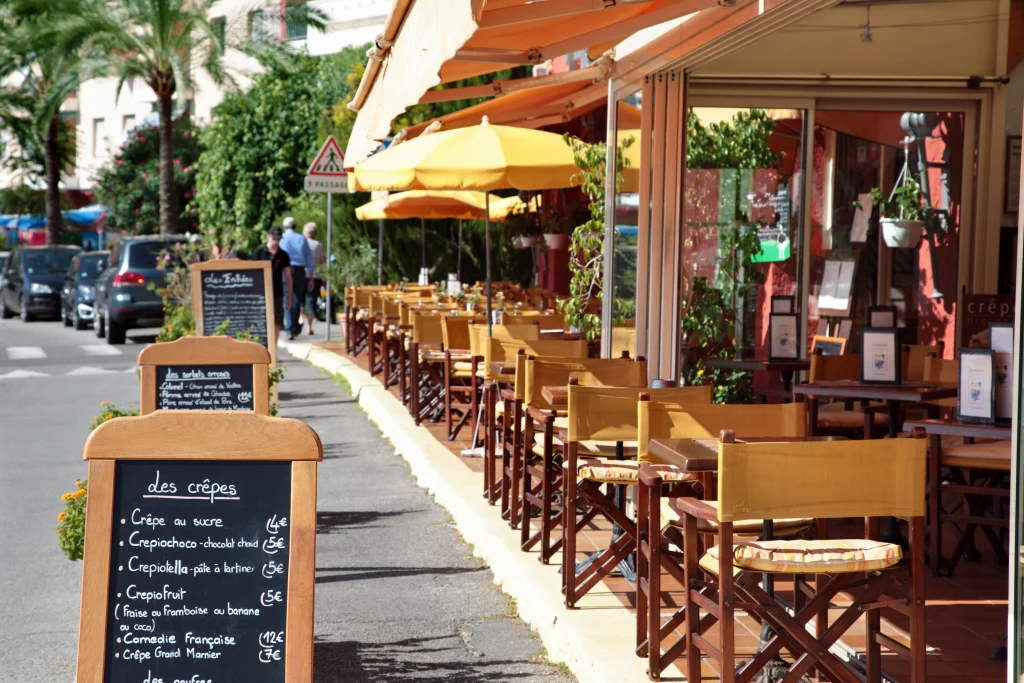
| Crêpes | Sweet or savory (galette) buckwheat or wheat crêpes, sold from street stands across the city — a genuine everyday snack, not just a tourist treat |
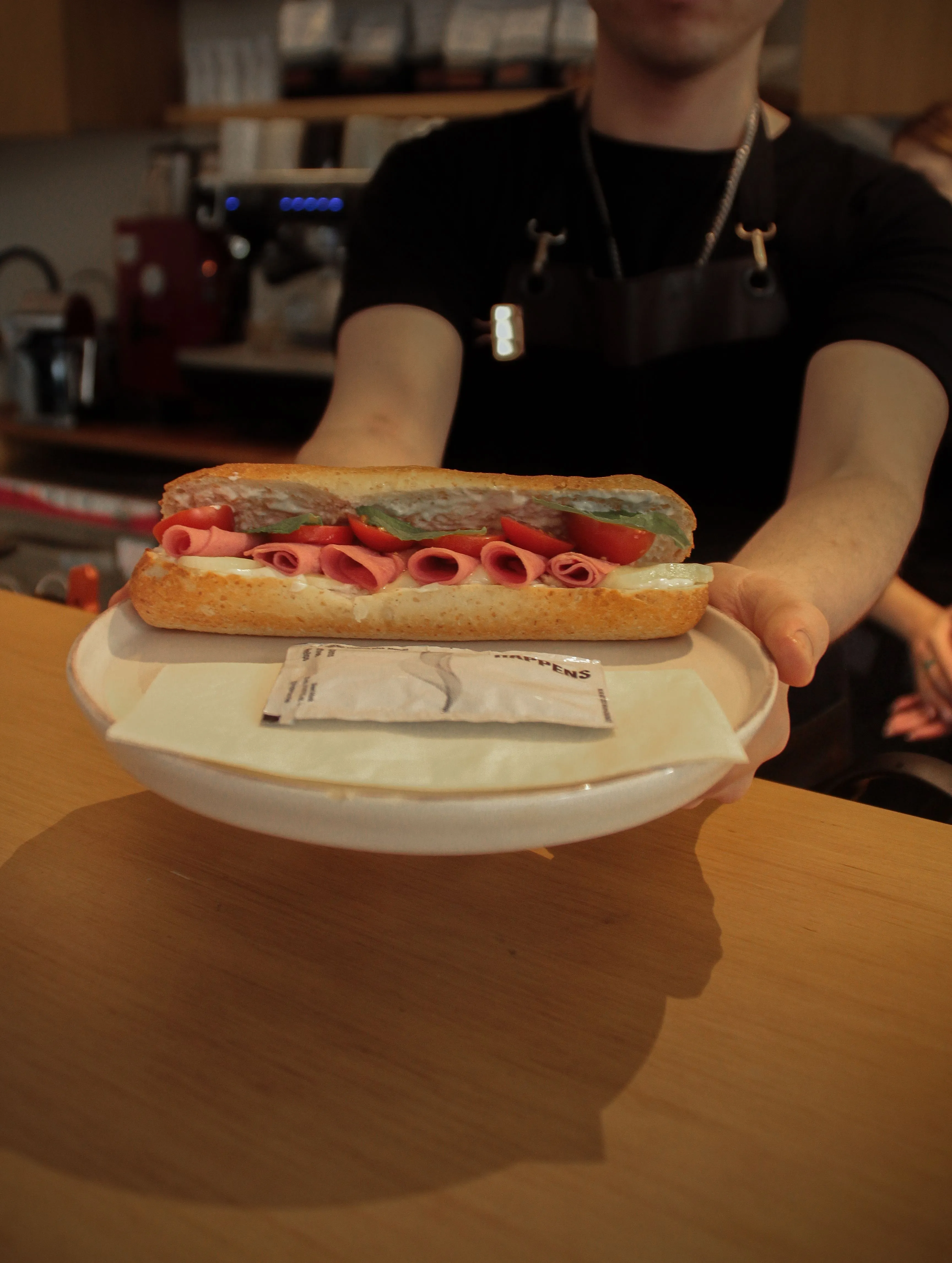
| Jambon-beurre | A simple baguette sandwich with butter and ham, widely considered Paris’s most-eaten street food staple |
| Falafel | Rue des Rosiers in the Marais is the city’s best-known falafel strip, rooted in the neighborhood’s Jewish community |
| Kebab | A late-night staple across Paris, often debated among locals over which neighborhood does it best |
| Socca | A chickpea flour flatbread originally from Nice, now found at several Paris street stalls and markets |
| Croque monsieur (street version) | The grilled ham-and-cheese sandwich, sold as a quick street snack at bakeries and stands, not just in cafés |
Where to Find It: Paris’s Street Markets
- Marché d’Aligre — one of Paris’s most authentic open-air markets, mixing fresh produce stalls with street food vendors, in the 12th arrondissement
- Rue des Rosiers (Marais) — the city’s best-known falafel strip, with small stands rather than sit-down restaurants driving the street food energy
- Marché Bastille — a large twice-weekly market known for its density of food stalls alongside produce and goods
- Belleville — a multicultural neighborhood where Vietnamese, North African, and Chinese street food stalls sit side by side
Why Paris, of All Cities?
Paris’s street food identity isn’t built around exotic night markets the way Bangkok’s or Ho Chi Minh City’s is — it’s built on density and everyday habit. A jambon-beurre from a boulangerie counter, a crêpe from a street stand, falafel eaten standing up on Rue des Rosiers: none of it reads as a “food tourism” experience the way a Southeast Asian night market does, which may be exactly why Paris rarely gets filed under “street food” in the first place, despite the numbers.
Getting Around: Official 2026 Transport Costs
Paris public transport fares (RATP/Île-de-France Mobilités) increased on January 1, 2026. Current official rates:
- Metro-Train-RER ticket: €2.55
- Bus-Tram ticket: €2.05
- Navigo Jour (unlimited day pass): €12.30
- Paris Visite (1-day tourist pass): €30.60 (5-day: €78.00)
Source: Bonjour RATP (official fares, effective January 1, 2026). For most visitors doing a full day of market- and street-food-hopping, the Navigo Jour pass works out cheaper than paying per ride.
A Practical Note on Safety
Paris’s markets and street food neighborhoods (Marché d’Aligre, the Marais, Belleville) see heavy daytime foot traffic from locals and are generally straightforward for visitors to navigate. As with any major European city, pickpocketing is the main practical risk in crowded markets and on public transport — keep bags zipped and valuables secure, and check your government’s current travel advisory before your trip.
If you’re comparing Paris to another food-forward city on your list, check our Hong Kong street food guide, our Manila street food guide, or use the AI Trip Planner to plan the whole trip at once.
FAQ
Why did Paris rank as the world’s best city for street food?
A 2026 study by Radical Storage, which analyzed 6,897 street food vendors across the 100 most-visited cities worldwide, ranked Paris first with a density of 3.82 vendors per square kilometer.
What is the most iconic Paris street food?
The jambon-beurre baguette sandwich is widely considered the most commonly eaten street food staple in Paris, alongside crêpes and falafel from Rue des Rosiers.
Where is the best street food market in Paris?
Marché d’Aligre and Marché Bastille are two of the most food-dense markets, while Belleville offers a multicultural mix of street food stalls.
How much does public transport cost in Paris in 2026?
A single Metro-Train-RER ticket costs €2.55, and an unlimited Navigo Jour day pass costs €12.30, according to official RATP fares effective January 1, 2026.
Is Paris safe for street food tourism?
Yes. Paris’s main markets and street food areas see heavy daytime foot traffic. Standard pickpocketing precautions apply in crowded markets and on public transport, as in any major European city.