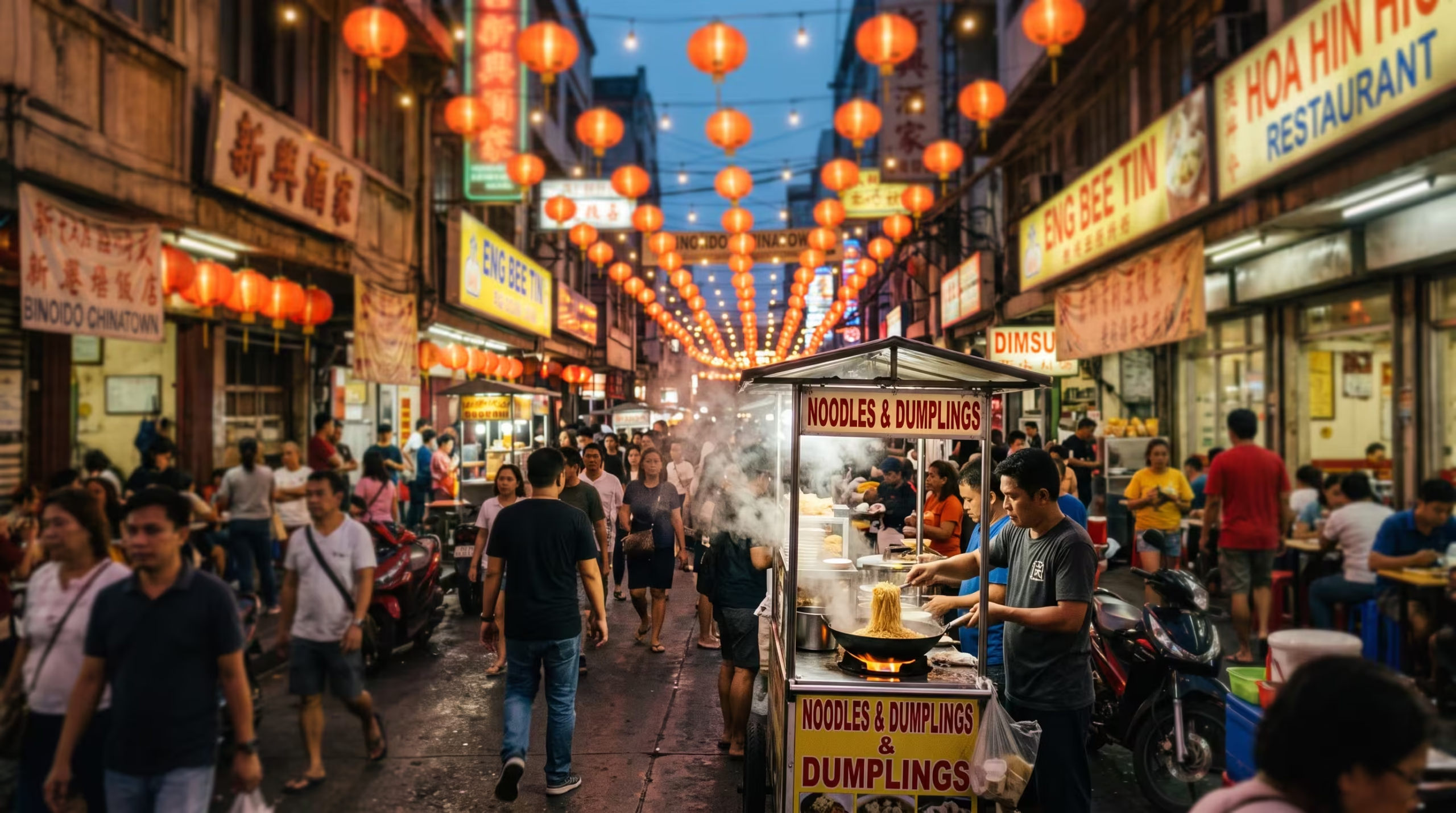
Johannesburg just did something almost nobody saw coming: it ranked 8th on Time Out’s 2026 list of the 20 Best Cities in the World for Street Food, scoring 56% in a global survey of 24,000 locals. Not Cape Town. Not Durban. Johannesburg — the city most travel guides mention for safaris, Soweto history, or as a stopover before Kruger, and almost never for what’s happening on its plates.
This Johannesburg street food guide covers what to actually eat, where to find it, and how to get around the city while you do — using real dishes, real markets, and official transport fares, not a generic “top things to do” list.
Planning Johannesburg alongside other cities on your route? Use our free AI Trip Planner to build a day-by-day itinerary around your dates.
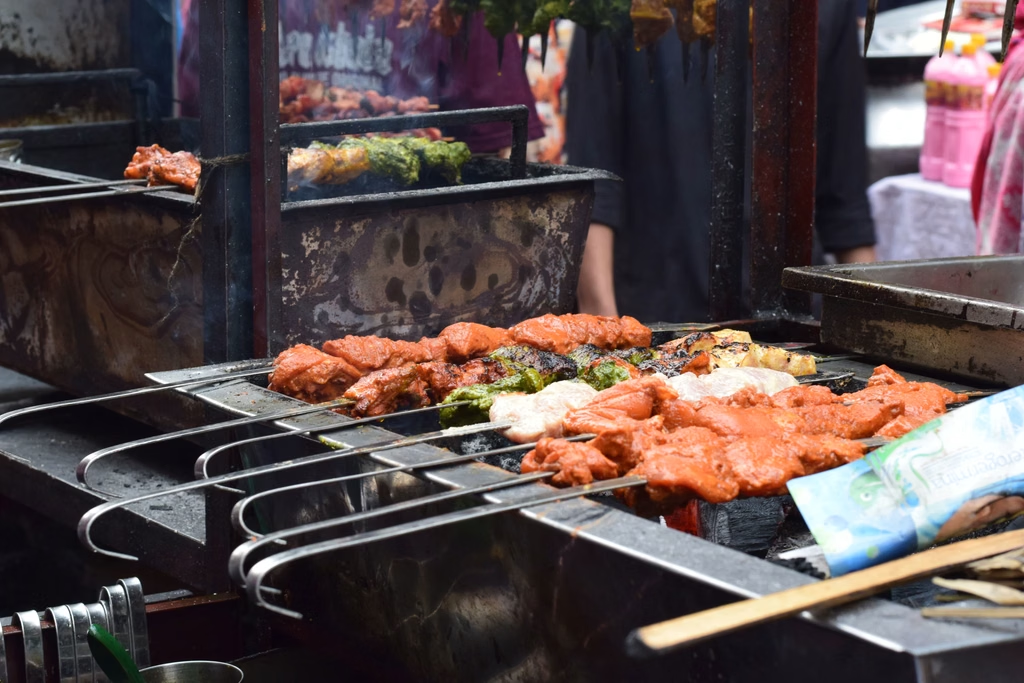
Best Johannesburg Street Food to Try
| Dish | What it is |
|---|---|
| Kota | A township classic: a quarter loaf stuffed with chips, polony, cheese, and sauce |
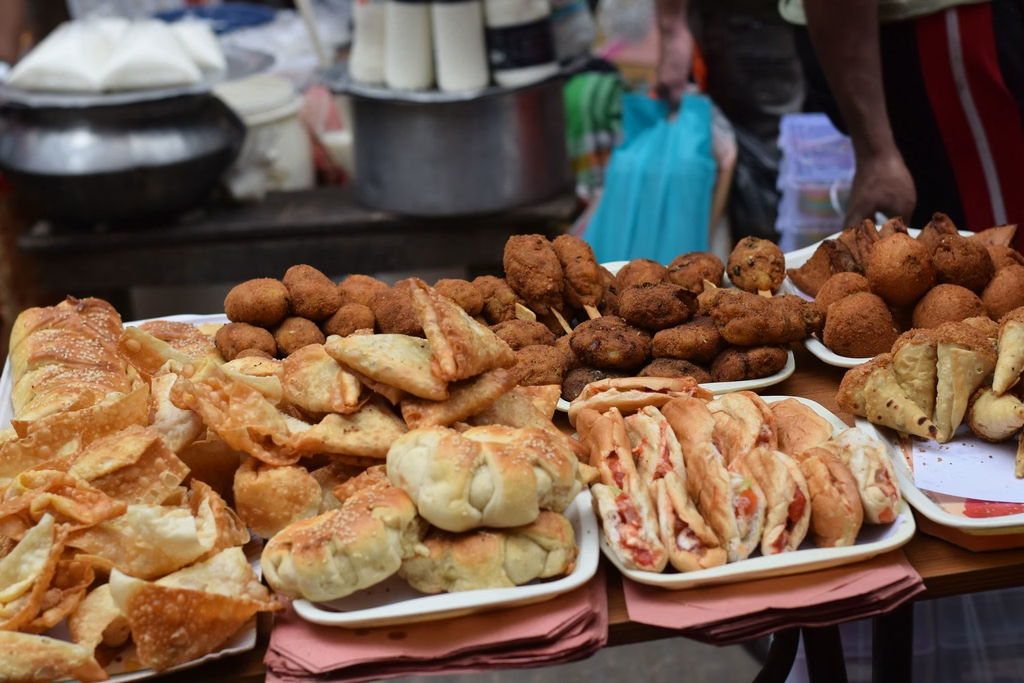
| Vetkoek | Deep-fried bread dough filled with spiced mince or curry |
| Chakalaka | Spicy vegetable relish (tomato, onion, beans, chili), usually served alongside pap and meat |
| Mogodu | Slow-cooked tripe stew, a traditional favorite |
| Maotwana | Grilled chicken feet, considered a local delicacy rather than a novelty |
| Bunny chow | A hollowed loaf filled with curry — originally a Durban dish, but commonly found on Johannesburg menus too |
Most of these are eaten with pap (maize meal), the staple that anchors almost every South African plate.
For a specific place to start, Time Out Johannesburg’s own food writer, Nhlalala Mthembi, points to Amanda’s in Soweto — a R14 kota that, in her words, “holds together as something whole, sturdy, satisfying and balanced with the ease of someone who knows the craft by muscle memory.”
Johannesburg Street Food Markets
- Fourways Farmers Market — a large weekend market in the northern suburbs mixing fresh produce, artisanal food stalls, and casual street eats
- Rosebank Sunday Market — a long-running Sunday market at Rosebank Mall combining crafts, antiques, and a strong food stall lineup
- Market on Main (Maboneng) — a Sunday food and arts market in the Maboneng Precinct, set inside a converted industrial building alongside street art and independent galleries
- Kwa Mai Mai Market — the oldest traditional market in Johannesburg, known for its street food alongside traditional healers’ stalls; one of the most authentic, least touristy food experiences in the city
- Neighbourgoods Market (Juta Street, Braamfontein) — a weekend food market with independent vendors, good for a broad first taste of the city’s food scene
- Vilakazi Street, Soweto — the only street in the world that was once home to two Nobel Peace Prize winners, now lined with restaurants and food stalls serving township classics like kota and bunny chow
Getting Around Johannesburg for Food Lovers: Official Transport Costs
The Gautrain (Johannesburg’s rapid rail system) confirmed a fare freeze for 2026 — no annual increase took effect, so 2025 pricing carries through the year. Pay-as-you-go single trips range from roughly R30 to R258 depending on distance and whether you travel at peak or off-peak times, with airport routes (like Sandton to OR Tambo) at the top of that range.
Source: Gautrain Management Agency (official fare freeze confirmation for 2026).
For short local trips between markets and neighborhoods, minibus taxis are the most commonly used option by locals and are typically far cheaper than the Gautrain for in-city hops, though fares aren’t centrally regulated and vary by route.
Is Johannesburg Good for Street Food? A Practical Note on Safety
Johannesburg has a real reputation around safety, and it’s worth addressing directly rather than ignoring it. Markets like Fourways, Rosebank, and Neighbourgoods, plus organized food tours in Maboneng and Soweto, draw regular daytime foot traffic from both locals and visitors. As with any major city, avoid displaying valuables, use registered transport or ride-hailing apps after dark, and check your government’s current travel advisory before your trip for the latest guidance.
How to Experience It
If you’d rather not navigate the city solo on a first visit, guided food tours through Maboneng and Soweto are a practical way to combine street food with context — many pair a market visit with local history, which matters in a city where food and heritage are closely tied together.
If you’re building out a broader Southern Africa route, or comparing Johannesburg to another city on your list, check our Porto vs Lisbon street food guide, or use the AI Trip Planner to plan the whole trip at once.
FAQ
Why is Johannesburg suddenly known for street food?
Time Out’s 2026 global street food ranking, based on a survey of 24,000 locals, placed Johannesburg 8th in the world with a score of 56% — a first for a city usually associated with safaris and history rather than food travel.
What is the most iconic Johannesburg street food?
Kota is the dish most closely associated with the city — Time Out Johannesburg itself points to the R14 kota at Amanda’s in Soweto as a standout example.
What are the best food markets in Johannesburg?
Fourways Farmers Market, Rosebank Sunday Market, and Market on Main in Maboneng are among the most popular, alongside the more traditional Kwa Mai Mai Market.
Is Johannesburg safe for food tourism?
Established markets and organized food tours in areas like Maboneng, Soweto, Fourways, and Rosebank draw regular daytime visitors. Standard big-city precautions apply, and checking current government travel advisories before your trip is recommended.
How much does the Gautrain cost in 2026?
Fares are frozen for 2026 with no annual increase. Pay-as-you-go single trips range from about R30 to R258 depending on distance and time of travel, according to the Gautrain Management Agency.