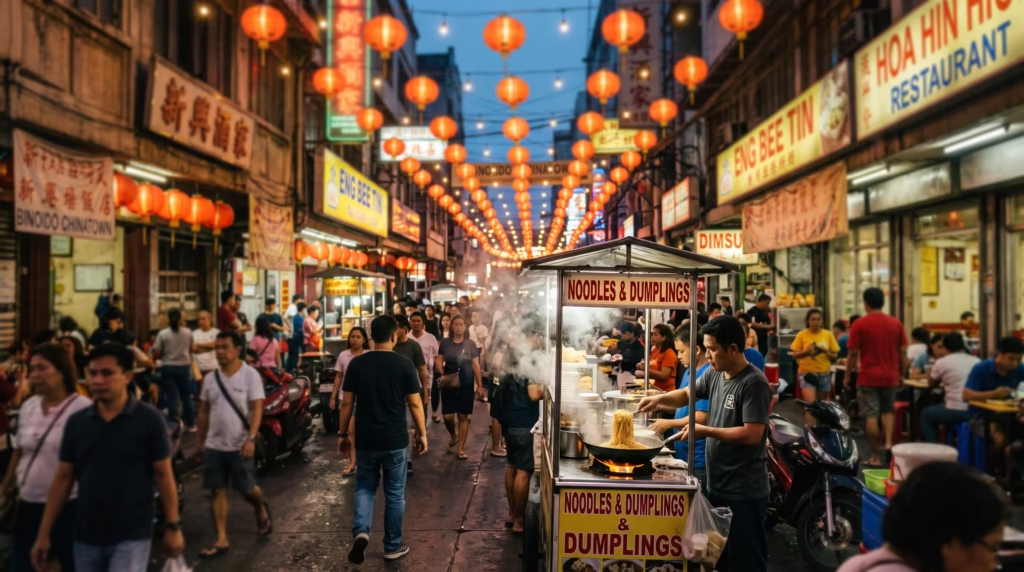
Manila tied with Mexico City for 5th place (58%) on Time Out’s 2026 ranking of the world’s best cities for street food, based on a survey of 24,000 locals. Mexico City’s spot makes sense to anyone who’s had a taco al pastor. Manila’s rarely gets the same attention — despite sitting on something most visitors walk straight past: Binondo, founded in 1594, is the oldest Chinatown in the world, and its streets are one of the best places anywhere to eat well for very little money.
This Manila street food guide covers what to eat, where Binondo and Quiapo fit into a food-focused day, and exactly what public transport costs — using official fares, not guesses.
Building a longer Southeast Asia route? Use our free AI Trip Planner to plan Manila alongside the rest of your trip.
Manila Street Food to Try
| Dish | What it is |
|---|---|
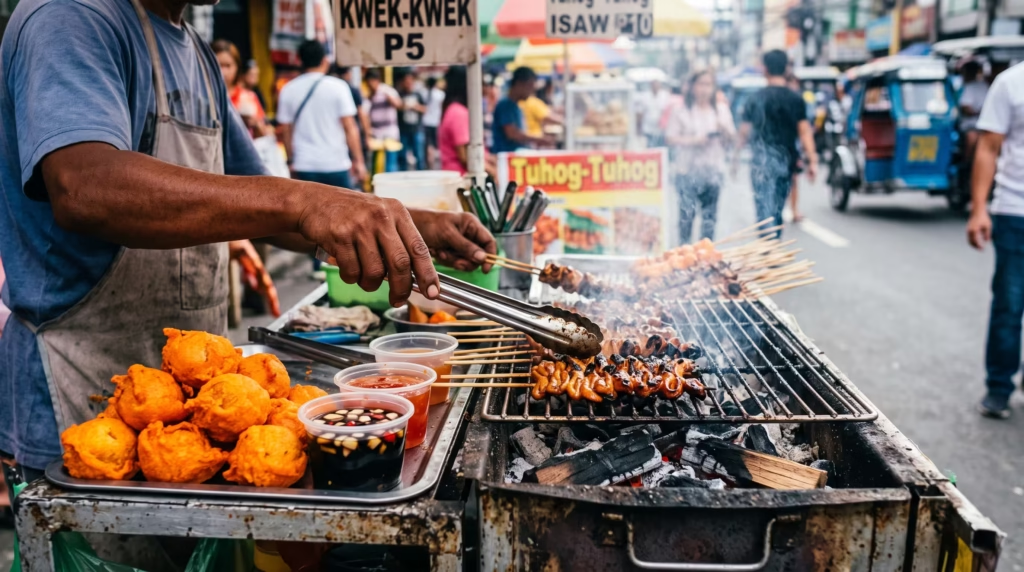
| Kwek-kwek | Quail eggs coated in bright orange batter and deep-fried, served with a vinegar dipping sauce |
| Isaw | Grilled chicken or pork intestine skewers, a staple at almost every street stall |
| Fish balls | Deep-fried fish balls on a stick, sold with a choice of sweet, spicy, or vinegar sauce |
| Taho | Warm silken tofu with brown sugar syrup (arnibal) and sago pearls, usually sold by street vendors in the morning |
| Sisig | Chopped, seasoned pork (often including pig’s face) served sizzling on a hot plate — originally a Pampanga dish, now a Manila staple |
| Balut | A fertilized duck egg, boiled and eaten from the shell — one of the most divisive dishes in Filipino street food, but a genuine local tradition rather than a tourist stunt |
Binondo: The World’s Oldest Chinatown
Binondo was established in 1594 by the Spanish colonial government, making it the oldest Chinatown in the world — older than San Francisco’s or London’s by centuries. Today it’s still a working district, not a preserved museum piece: narrow streets packed with Chinese-Filipino bakeries, noodle houses, and street stalls selling everything from siopao (steamed buns) to fried lumpia. Ongpin Street is the main artery for food, and it gets busiest — and best — in the late afternoon and evening.
Quiapo Market
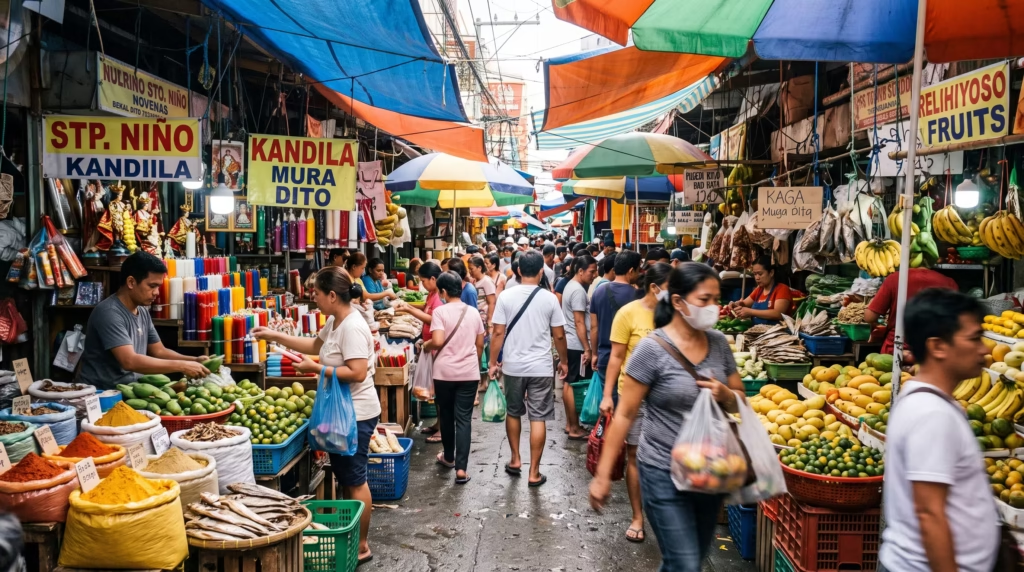
A short walk from Binondo, Quiapo is one of Manila’s busiest and most established market districts. It’s a working bazaar rather than a curated food hall — spices, fruit, religious goods, and street food stalls packed into a dense, chaotic grid of stalls. It’s a genuine, unfiltered look at how Manila eats day to day, and one of the least touristy stops on this list.
Getting Around: Official Transport Costs
Manila’s public transport fares are regulated by the LTFRB (Land Transportation Franchising and Regulatory Board), the government body that sets official rates.
- LRT-1 and LRT-2: ₱15 to ₱30 depending on distance traveled
- MRT-3: ₱13 to ₱28 depending on distance (as of February 2026)
- Modern jeepneys: minimum fare of ₱17, plus roughly ₱2.40 per additional kilometer
- Traditional jeepneys: minimum fare of ₱14, plus roughly ₱2 per additional kilometer
Source: LTFRB fare announcements, reported via the Philippine News Agency (official government wire service). Fares are adjusted periodically based on fuel costs — check ltfrb.gov.ph directly for the current matrix before you travel.
A Practical Note on Safety
Binondo and Quiapo are busy commercial areas, particularly during the day. Crowded conditions also create opportunities for pickpocketing, so keep valuables secure and check current official travel advice before visiting.
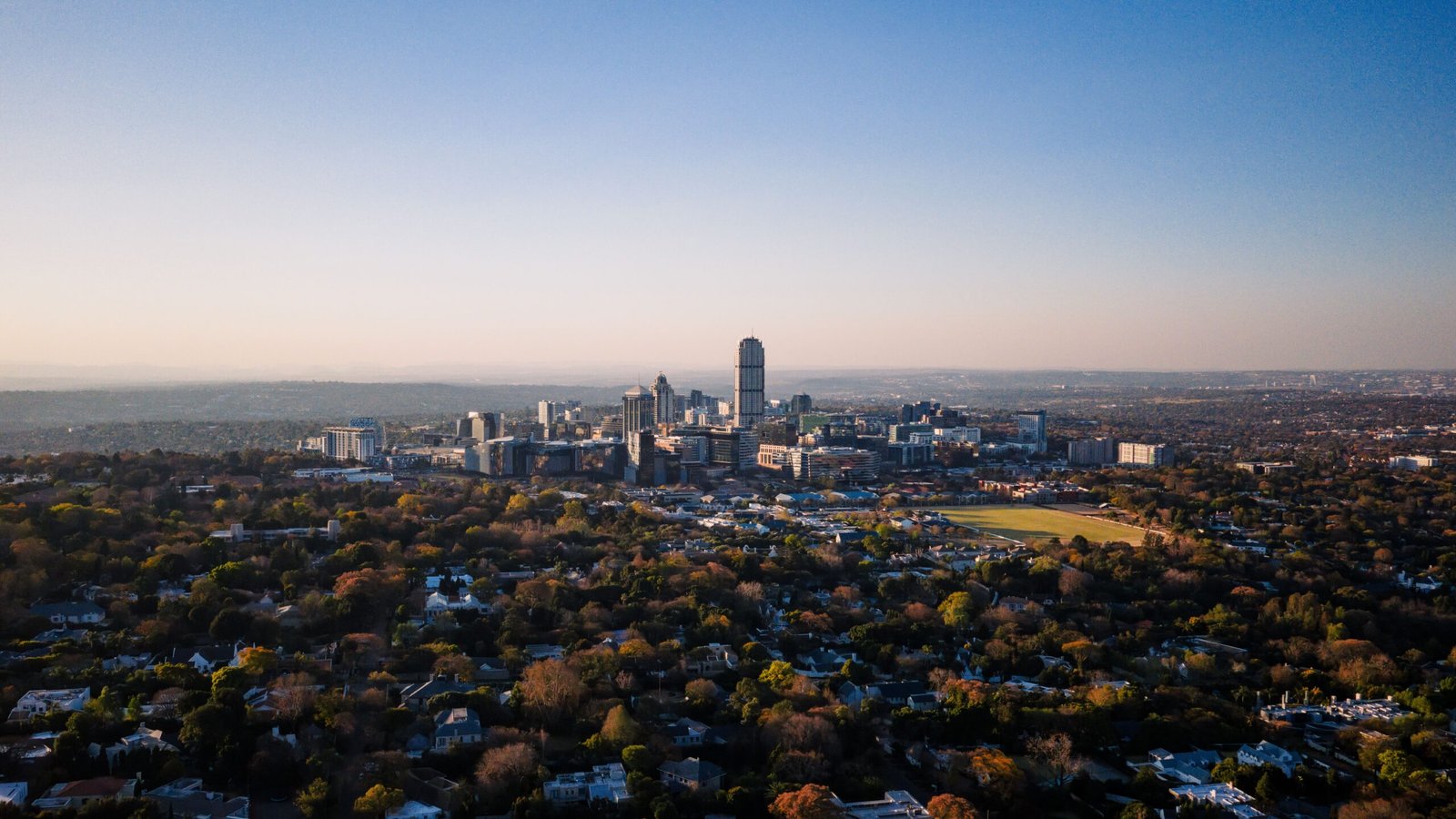
If you’re comparing Manila to another food-forward city on your list, check our Johannesburg street food guide or our Porto vs Lisbon street food guide, or use the AI Trip Planner to plan the whole trip at once.
FAQ
Why is Manila considered a top street food city?
Manila tied for 5th place with Mexico City (58%) in Time Out’s 2026 global street food ranking, based on a survey of 24,000 locals.
What is the oldest Chinatown in the world?
Binondo, in Manila, founded in 1594 by the Spanish colonial government — older than the Chinatowns of San Francisco or London.
What street food should I try in Manila?
Kwek-kwek, isaw, fish balls, taho, and sisig are all widely available staples. Balut is a more divisive but genuinely traditional option for adventurous eaters.
How much does public transport cost in Manila in 2026?
LRT and MRT fares range from about ₱13 to ₱30 depending on distance, while jeepney minimum fares run ₱14 to ₱17, according to the LTFRB.
Is Binondo safe to visit?
Binondo and neighboring Quiapo are busy commercial districts, particularly during the day. Crowded conditions create some risk of pickpocketing, so keep valuables secure and check current official travel advice before visiting.