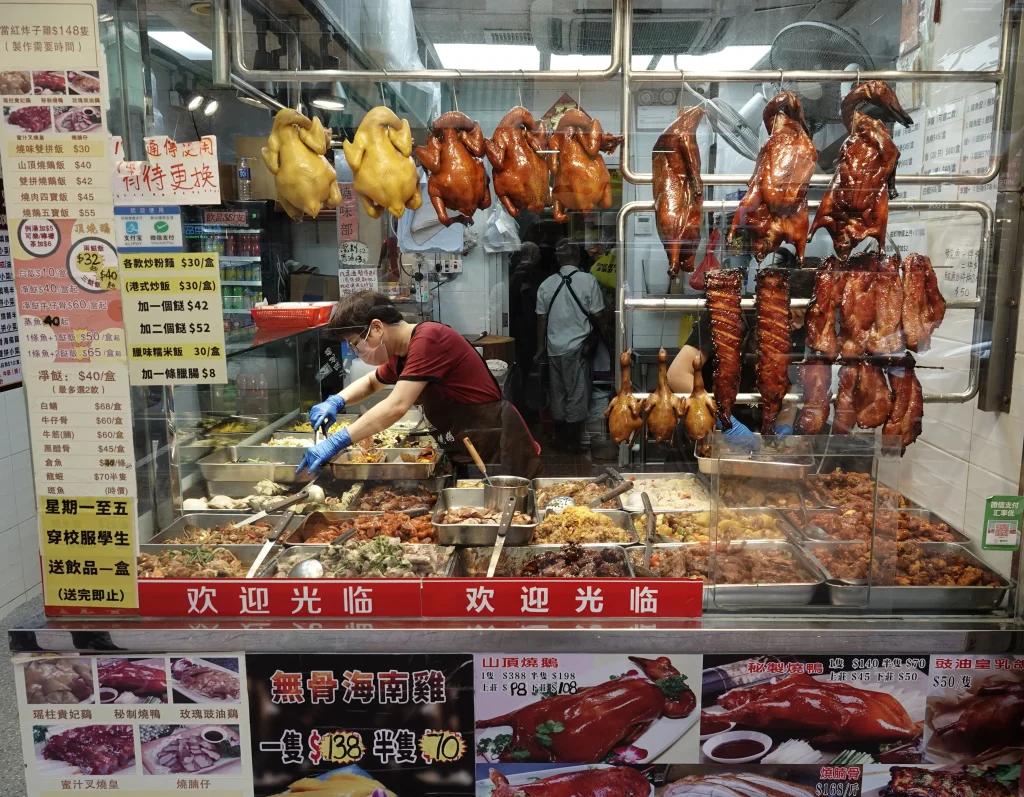
Hong Kong street food has always meant egg waffles, fish balls, and dim sum carts — but in 2026, the city made Time Out’s list of the world’s 20 best food cities for a different reason entirely. Based on a survey of 24,000 locals, Time Out pointed to a surge in specialist Korean dining as a key factor behind Hong Kong’s spot on the list. For a city whose food identity has been built on Cantonese cuisine for generations, that’s a genuinely unexpected hook — and it says a lot about how fast Hong Kong’s food scene is moving right now.
This Hong Kong street food guide covers the classic dishes that still define the city’s streets, where Hong Kong’s Korean food boom is actually happening, and exactly what getting around costs — using official transport fares, not guesses.
Planning Hong Kong alongside other cities on your route? Use our free AI Trip Planner to build a day-by-day itinerary around your dates.
Classic Hong Kong Street Food to Try
| Dish | What it is |
|---|---|
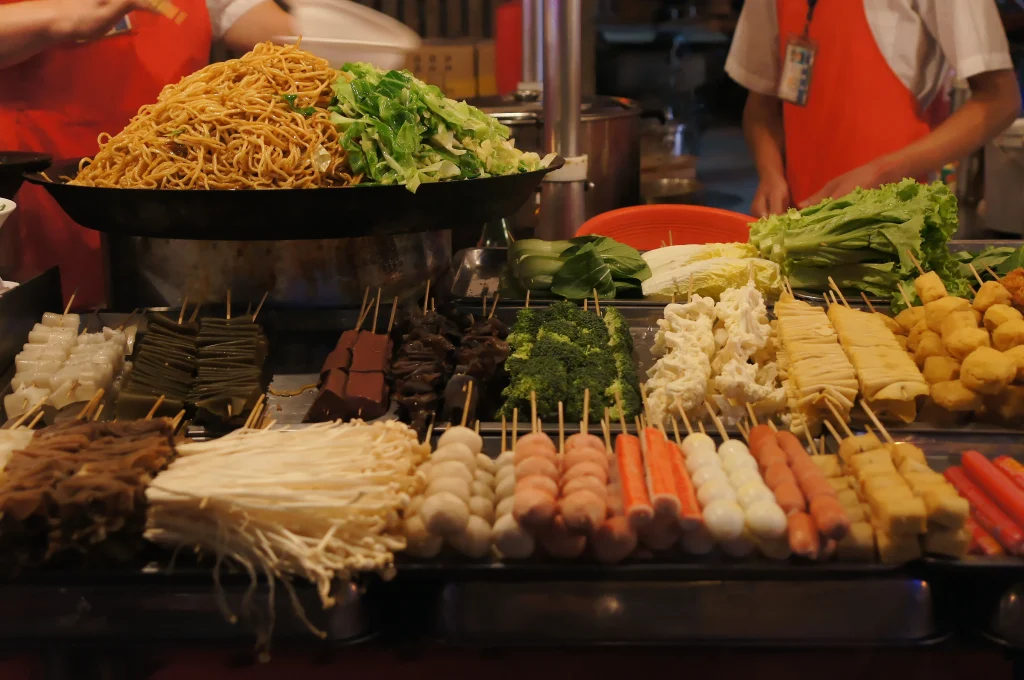
| Gai daan jai (egg waffles) | Bubble-shaped waffles cooked on a special griddle, crisp outside and soft inside — one of Hong Kong’s most photographed street snacks |
| Fish balls | Curry-flavored fish balls on a skewer, sold from carts across the city — a genuine everyday snack, not a tourist invention |
| Cheung fun | Steamed rice noodle rolls served with soy sauce, sesame, and sometimes hoisin and peanut sauce |
| Siu mai | Open-topped steamed dumplings, usually pork and shrimp, sold from street carts as well as dim sum restaurants |
| Stinky tofu | Fermented tofu, deep-fried and famously pungent — a genuinely divisive dish most locals grew up eating |
| Beef brisket noodles | Slow-braised beef brisket served over noodles in broth, a staple at small noodle shops across the city |
Where to Find It: Sham Shui Po and Mong Kok
Sham Shui Po is one of Hong Kong’s oldest working-class districts, and its streets are dense with cheap, genuinely local food stalls — a sharp contrast to the more polished food halls found in the city’s business districts. Mong Kok, one of the most densely populated areas on earth, offers a similar mix of street stalls packed into narrow lanes, alongside markets selling everything from electronics to street snacks side by side.
Hong Kong’s Korean Food Boom
Alongside its street food classics, Hong Kong has seen a genuine surge in specialist Korean restaurants in recent years, covering everything from Korean fried chicken counters to dedicated barbecue spots and coffee-and-dessert cafes styled after Seoul’s café scene. Districts like Causeway Bay and Tsim Sha Tsui have picked up noticeably more Korean openings, reflecting a broader regional trend of Korean food and culture spreading across East and Southeast Asia — and it’s specifically this shift that Time Out credited for helping push Hong Kong onto its 2026 list.
Getting Around: Official Transport Costs
MTR (Mass Transit Railway) fares are distance-based and set officially by MTR Corporation. For visitors making multiple trips in a day, the official MTR Tourist Day Pass costs USD 9.60 (paid in HKD) and covers unlimited rides on the standard network for a day, excluding the Airport Express and cross-border lines.
Source: MTR Corporation (official fares and passes page). Paying with an Octopus card is generally cheaper than single-journey tickets for individual rides, and fares for a specific route can be checked directly via MTR’s official trip planner.
A Practical Note on Safety
Hong Kong is generally regarded as one of the safer major cities in Asia for visitors, including for solo travelers, with low rates of violent crime. Standard precautions apply in dense, crowded areas like Mong Kok, particularly around pickpocketing. Check your government’s current travel advisory before your trip for the latest guidance.
If you’re comparing Hong Kong to another food-forward city on your list, check our Manila street food guide, our Johannesburg street food guide, or use the AI Trip Planner to plan the whole trip at once.
FAQ
Why did Hong Kong make Time Out’s best food cities list in 2026?
Time Out’s 2026 ranking, based on a survey of 24,000 locals, credited a surge in specialist Korean dining as a key factor behind Hong Kong’s inclusion — alongside its long-standing Cantonese food scene.
What street food should I try in Hong Kong?
Egg waffles (gai daan jai), curry fish balls, cheung fun, siu mai, stinky tofu, and beef brisket noodles are all widely available staples across the city’s street stalls.
Where is the best street food in Hong Kong?
Sham Shui Po and Mong Kok are two of the most food-dense, least polished districts, offering a much more local experience than the city’s business-district food halls.
How much does the MTR cost in Hong Kong?
MTR fares are distance-based. The official Tourist Day Pass costs USD 9.60 and covers unlimited standard-network rides for a day, according to MTR Corporation.
Is Hong Kong safe for street food tourism?
Yes. Hong Kong is generally considered one of the safer major cities in Asia, with standard pickpocketing precautions recommended in dense areas like Mong Kok.