
Porto vs Lisbon comes up in almost every Portugal trip-planning conversation — but most guides compare castles and viewpoints. This one is about what’s actually on your plate and in the markets, plus verified official transport costs so you know what you’re spending to get there.
Planning a multi-city Portugal route? Use our free AI Trip Planner to map out Porto, Lisbon, and everything in between around your travel dates.
Porto vs Lisbon: Public Transport Costs (Official 2026 Fares)
| Ticket type | Porto 🇵🇹 | Lisbon 🇵🇹 |
|---|---|---|
| Single city-centre ticket | €1.40 (Andante Z2) | €1.90 (Carris/Metro) |
| 24-hour tourist pass | €7.75 (Andante Tour 1) | €7.25 (Carris/Metro) |
| 72-hour tourist pass | €16.55 (Andante Tour 3) | N/A (day pass renewable daily) |
| Reloadable card fee | €0.60 (Andante Azul) | €0.50 (Viva Viagem) |
Sources: Metro do Porto official fares and Andante / Transportes Metropolitanos do Porto for Porto; Metropolitano de Lisboa and Carris for Lisbon. Both fare tables took effect January 1, 2026.
A single ride is cheaper in Porto. A one-day pass is marginally cheaper in Lisbon. In practice, the difference is a few cents per day either way — not a reason to pick one city over the other.
Porto’s Street Food & Market Scene
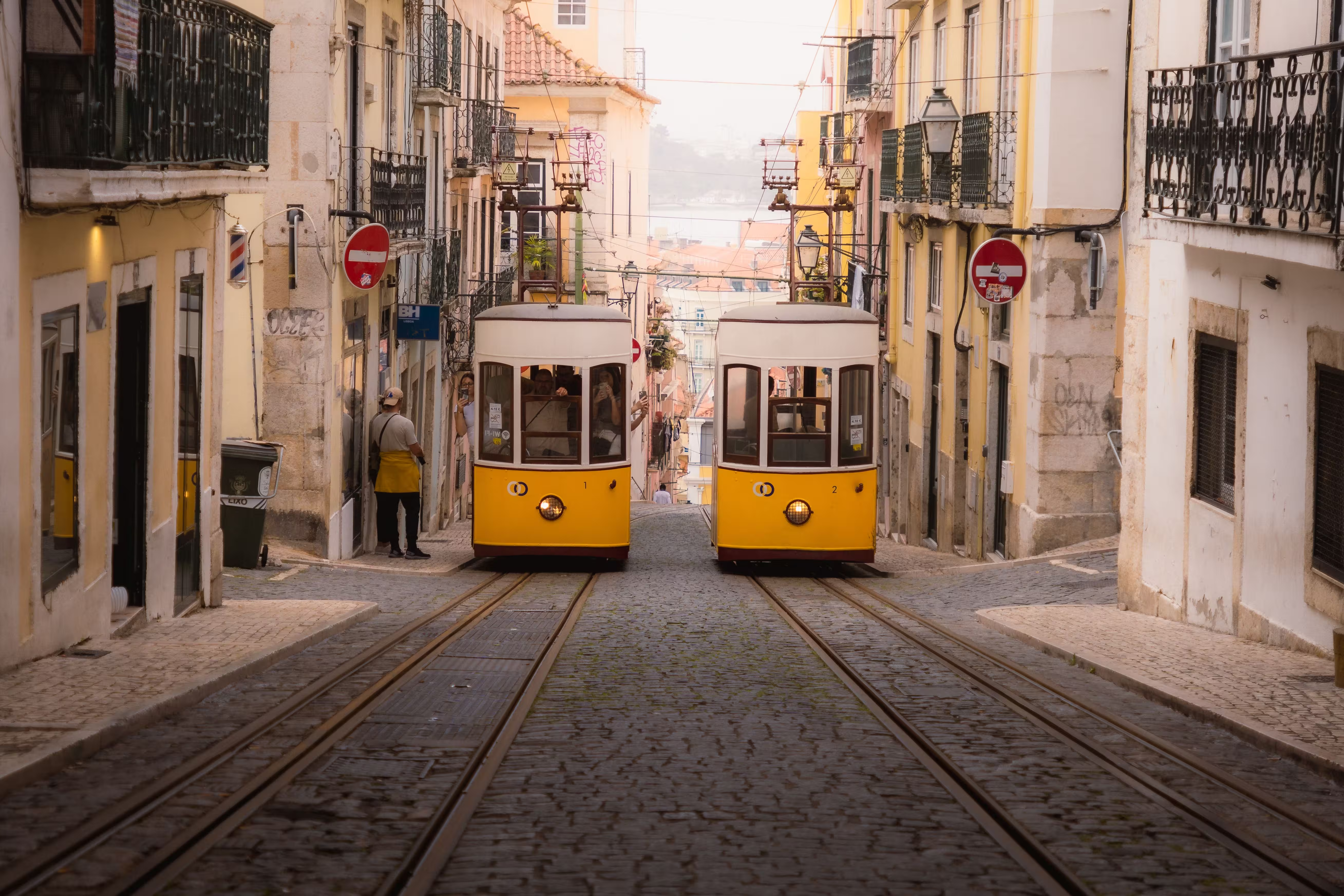
Porto’s food culture centers on hearty, working-class dishes and one legendary market.
- Mercado do Bolhão — Porto’s historic municipal market, reopened in 2022 after restoration, with dozens of vendors selling fresh fish, produce, cheese, and regional products, plus food stalls upstairs. It’s a working market locals actually shop at, not a tourist food court.
- Francesinha — Porto’s signature sandwich, a rich meat-and-cheese dish smothered in sauce. Best tried away from the most touristy stretches near São Bento station.
- Tripas à moda do Porto — a traditional tripe stew that gave locals their nickname (“tripeiros”). Not for every traveler, but a genuine taste of the city’s history.
- Cafés along Rua de Santa Catarina — classic Porto café culture, good for pastries and coffee between market visits.
Lisbon’s Street Food & Market Scene
Lisbon’s food scene is bigger and more varied, spread across several distinct market districts.
- Time Out Market (Mercado da Ribeira) — a large food hall bringing together stalls from well-known Lisbon chefs and restaurants under one roof. More curated and touristy than Porto’s Bolhão, but a genuinely good one-stop sampler of Lisbon cuisine.
- Pastéis de nata — Lisbon’s signature custard tart, available everywhere, with Belém’s original bakery being the most famous (and most crowded) source.
- Bifana — a simple, cheap pork sandwich sold at cafés and stands across the city, a genuine local staple rather than a tourist dish.
- Ginjinha — a cherry liqueur sold from small hole-in-the-wall bars in the city center, often served in a chocolate cup.
Porto vs Lisbon: Which Market Experience Wins?
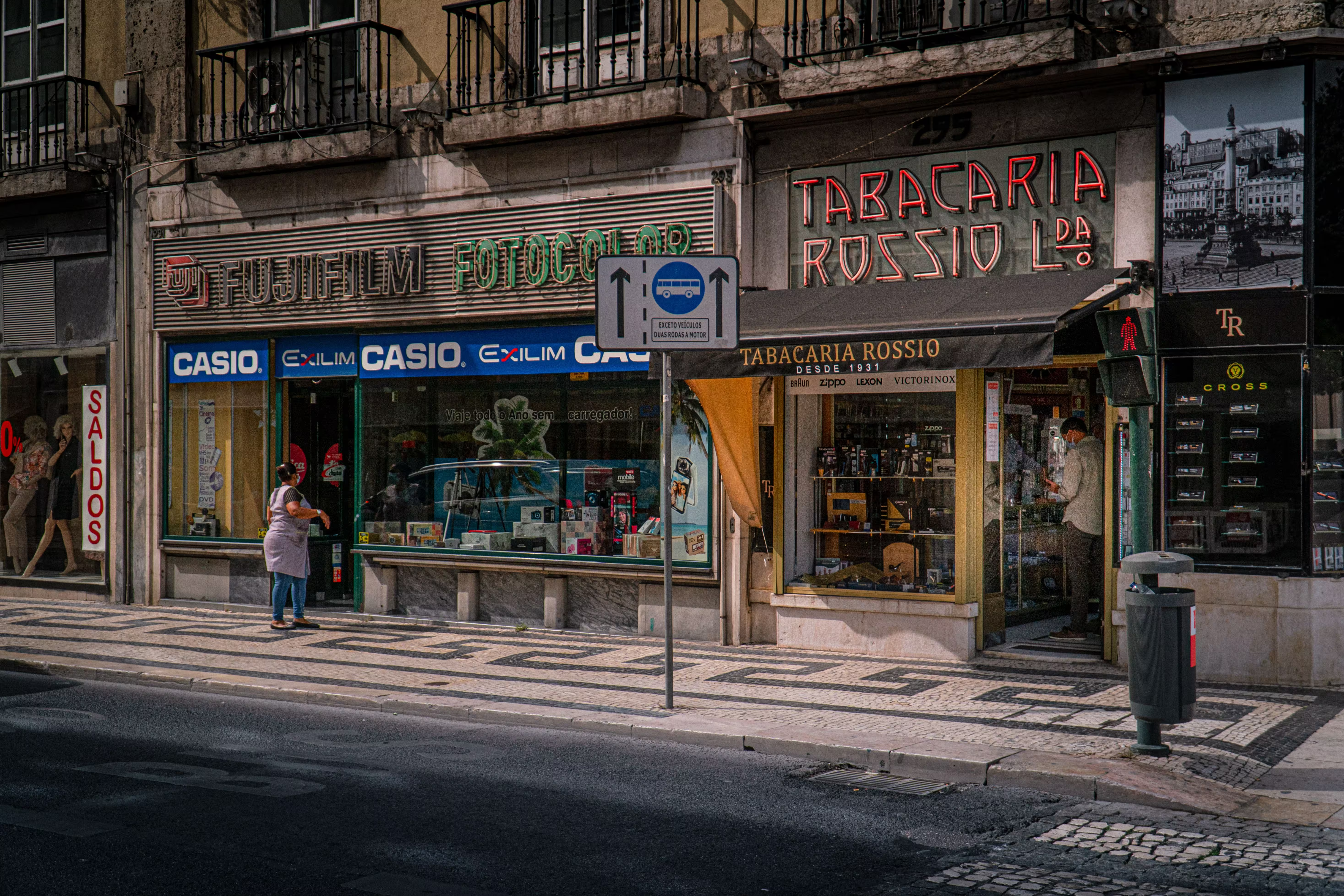
For an authentic, less touristy market experience: Porto’s Bolhão market has the edge — it’s smaller, more local, and less curated for visitors than Lisbon’s Time Out Market.
For variety and a one-stop sampler of a national cuisine: Lisbon wins — Time Out Market alone brings together dishes from across Portugal’s best-known kitchens in one place, which is unmatched convenience if you only have a day or two.
For genuine street-level, everyday local food: it’s close — Porto’s francesinha culture and Lisbon’s bifana-and-ginjinha combo are both firmly local rather than tourist-invented, so this comes down to personal taste in heavy vs. light street food.
Getting Between Porto and Lisbon
High-speed trains connect the two cities in roughly 2.5–3 hours, making a combined Porto-and-Lisbon trip easy to plan. For exact timetables and fares, check Seat61’s Portugal rail guide or CP’s official booking site before you travel, since prices vary by how far ahead you book.
Final Verdict: Porto vs Lisbon for Food Travelers
- Want one authentic, uncurated local market? Porto’s Bolhão.
- Want maximum variety in minimum time? Lisbon’s Time Out Market.
- Daily transport cost matter to you? The difference is negligible — a few cents either way based on official 2026 fares.
- Have the time? Both cities are a short train ride apart — do both and compare the francesinha to the bifana yourself.
If you enjoyed this comparison, check out our Prague vs Krakow guide for another budget-focused city comparison, or our Casablanca vs Marrakech guide for a Morocco-based city face-off.
FAQ
Is Porto or Lisbon cheaper for public transport?
A single ticket is cheaper in Porto (€1.40 vs €1.90), but a 24-hour pass is marginally cheaper in Lisbon (€7.25 vs €7.75), based on official 2026 fares. The overall difference is minor.
Which city has better street food, Porto or Lisbon?
Porto offers a more authentic, local market experience at Bolhão, while Lisbon’s Time Out Market offers more variety in one place. Both have genuine local street food staples — francesinha in Porto, bifana in Lisbon.
How long does it take to travel between Porto and Lisbon?
High-speed trains connect the two cities in roughly 2.5–3 hours. Check official rail timetables before booking, since schedules and fares change.
Can I visit both Porto and Lisbon on one trip?
Yes — the short train connection makes combining both cities in a single Portugal trip very practical, and it’s one of the most popular routes for first-time visitors.
Is Mercado do Bolhão worth visiting as a tourist?
Yes. It’s a working municipal market rather than a tourist food court, reopened in 2022 after restoration, making it one of the more authentic market experiences in either city.